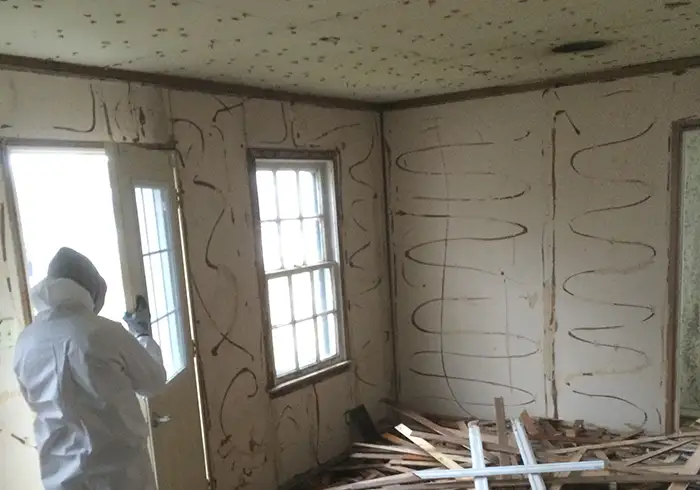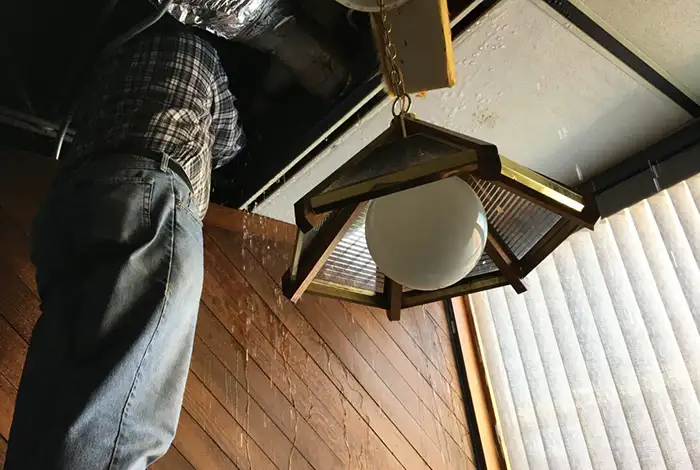
You had water damage: a burst pipe, a flooded basement or a leaking roof. You called a restoration company. They brought in equipment, told you everything was dry, packed up and sent the bill. But now, weeks or months later, something is wrong. There’s a musty smell. You’ve found mold. The floor is buckling, or the “fixed” area feels damp again.
Since 1997, Recoveron has been called in to fix incomplete water and mold restoration work more times than we’d like to count. It’s frustrating for homeowners, and it reflects poorly on our whole industry. If that sounds familiar, the rest of this guide is for you.
Key takeaways
- A musty smell, returning stains or buckling floors weeks after a restoration usually mean moisture was left behind.
- The most common cause is drying equipment pulled out too early, before walls and floors were actually dry.
- Document everything, give the original company a chance to respond, then get an independent assessment.
- Corrective work is often covered by the original company’s insurance or by your own policy.
Warning signs your water restoration wasn’t done properly
Not every issue means the work was done wrong. New leaks happen, and humidity changes with the seasons. But certain red flags suggest the original restoration was incomplete.
Signs of incomplete drying
- Musty odors that linger or come back, especially in humid weather
- Soft, spongy or discolored drywall
- Buckling or warping floors
- Baseboards pulling away from the wall
- Higher humidity or condensation in the affected room
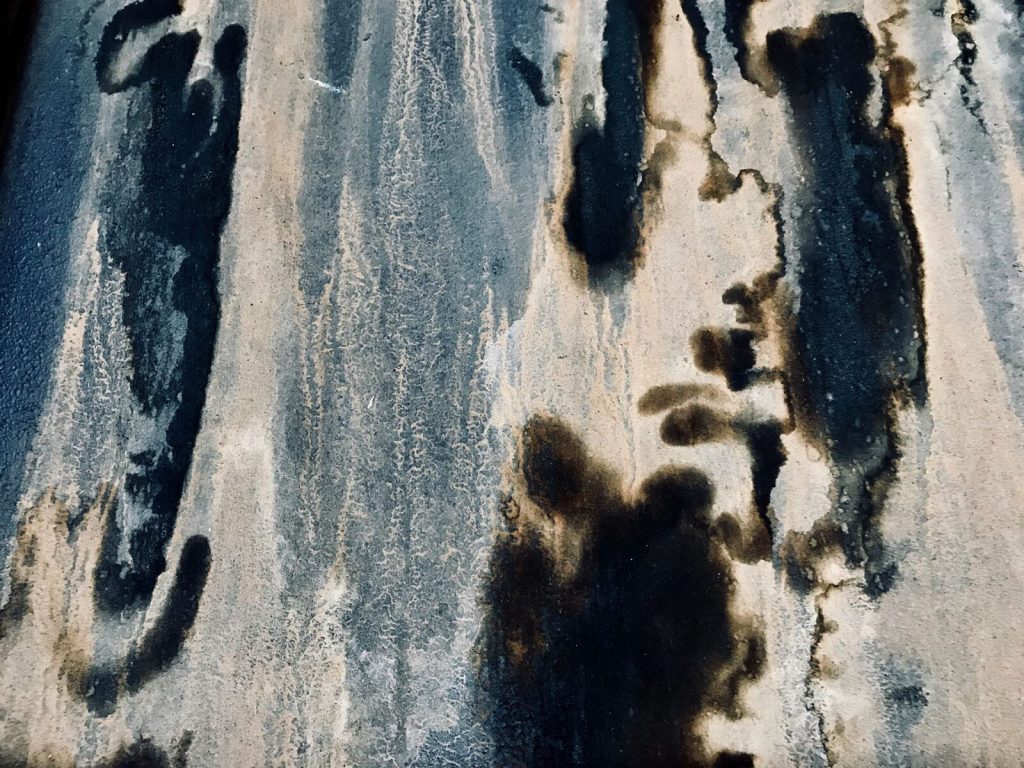
- Water stains reappearing on ceilings or walls
- Carpet that feels damp or never fully dried
Signs of a mold problem
- Visible mold growth in an area that was already treated
- Mold coming back in the same place after remediation
- Black, green or white spots on walls, ceilings or behind furniture
- No improvement in air quality, or breathing problems that don’t go away
- New discoloration or staining
- Peeling paint or wallpaper
Red flags about the original work
- No moisture readings were taken or written down
- Drying equipment was removed after only 2 or 3 days
- The company couldn’t show IICRC certification
- There were no photos or records of the drying process
- Nobody checked behind walls or under flooring
- The job was rushed to close the insurance claim quickly
- You were discouraged from asking questions or checking the work
What went wrong? The most common problems we see
When we’re called in for a second opinion, or to redo earlier water and mold work, we usually find one of these.
1. Incomplete drying
This is by far the most common problem. Drywall and flooring can look and feel dry on the surface while moisture stays trapped behind walls, under floors and inside wall cavities. Proper structural drying takes industrial equipment, daily moisture readings in several spots, and time: typically 5 to 7 days for significant water damage.
A company cutting corners may pull the equipment after 2 or 3 days because the surface looks dry. Within weeks or months, the moisture left inside the materials leads to mold, wood rot and structural damage.
2. Hidden water that was never found
Water travels. It seeps into wall cavities, runs along studs, soaks insulation and pools under flooring. If technicians only treat the damage they can see, without moisture meters or thermal imaging to trace where the water went, hidden pockets of moisture get missed entirely.
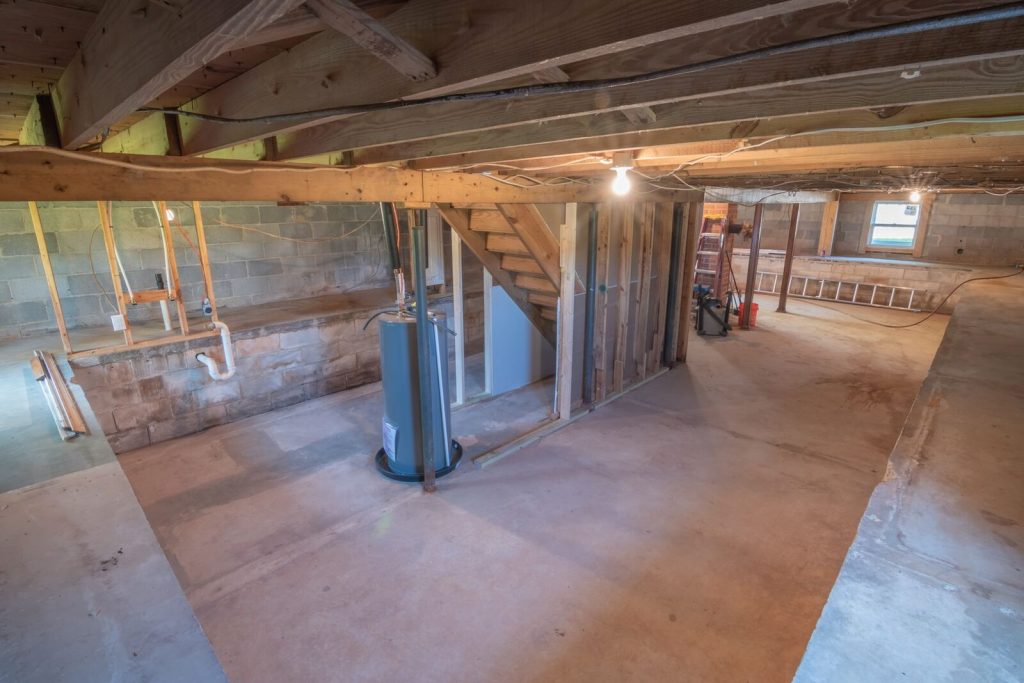
3. Soaked materials that should have been removed
Sometimes drywall, insulation or flooring is too saturated to save. Trying to dry it instead of removing it saves time up front, but leads to mold and odor problems later. Contaminated water from a sewer backup or floodwater calls for even more aggressive removal than clean water.
4. Treating the mold, not the cause
Cleaning visible mold without fixing the moisture that caused it means the mold will be back. We’ve seen homes where mold was wiped down or painted over while the leak, the ventilation problem or the humidity stayed exactly as it was. That isn’t remediation. It’s a cosmetic cover-up.
5. Poor containment during mold removal
Proper mold remediation seals off the work area and uses negative air pressure, so spores don’t spread to the rest of the house. We’ve seen jobs with little or no containment, where the “cleanup” actually spread mold spores through the home.
6. Missing records
Quality restoration includes daily moisture readings, photos throughout the job and air quality testing when mold is suspected. Without those records, there’s no way to show what was done, or that the materials ever reached a proper dry standard.
7. Untrained technicians
IICRC (Institute of Inspection, Cleaning and Restoration Certification) training matters. Drying a building properly means understanding moisture, humidity, building materials and drying science. Not everyone with a dehumidifier knows how to use it well.
What to do if your restoration went wrong
- Document everything now. Take photos and videos of every problem area and note the date you first noticed each one. Keep all paperwork, invoices and messages from the first company. This protects you whether you end up dealing with that company, your insurance or an attorney.
- Contact the original company first. Many reputable companies stand behind their work. Explain what you’re seeing. A certified, insured company should offer to look at it at no charge, and how they respond tells you a lot about what to do next.
- Get an independent assessment. If the original company is unresponsive or you don’t trust their answer, get a second opinion from a qualified restoration company.
- Look at your financial options. Who pays for the fix depends on how the first job was paid for (see below).
When Recoveron does an independent assessment, it includes:
- Moisture mapping with professional moisture meters
- Thermal imaging to find hidden moisture in walls and ceilings
- Air quality testing through an independent environmental testing company
- Detailed photos of current conditions
- A written report you can use with your insurance company or attorney
- A clear explanation of what failed and what it will take to fix it
We’ll tell you honestly whether the original work was inadequate. Sometimes we find it was fine and you’re dealing with a new, unrelated problem, and we’ll tell you that too. We would rather give you an honest answer than make a sale.
Who pays for the corrective work?
If the original company was insured: their general liability insurance should cover fixing work they did improperly. An independent assessment helps support that claim.
If you paid out of pocket: you may have recourse through small claims court, depending on your records and the amount involved. Your homeowners policy may also cover corrective work.
If insurance paid for the original work: contact your adjuster. If the original scope was too small or the work wasn’t finished to standard, more coverage may be available. It’s sometimes treated as newly discovered damage.
If the company is out of business: your homeowners insurance may still cover the corrective work. An independent assessment helps show what failed and why more work is needed.
Why homeowners call Recoveron for a second opinion
We’d rather every homeowner got it done right the first time. But when we’re called in to assess or fix incomplete work, here’s what we bring:
- Experience since 1997: everything from small leaks to major flooding, so we know what proper drying looks like and which corners can’t be cut.
- IICRC water restoration certified technicians.
- Professional equipment: industrial dehumidifiers, air movers, moisture meters, thermal imaging cameras and air scrubbers.
- Complete records: daily moisture readings, photos from start to finish and a written report, so there’s proof the work was done right.
- Insurance experience: as a preferred vendor for major insurance companies, we know how to document the work and talk with adjusters.
The hidden costs of incomplete restoration
This isn’t just about looks or a minor inconvenience. Moisture left behind causes real problems:
- Health: mold from hidden moisture affects indoor air and can trigger breathing problems and allergies, especially for children, older family members and anyone with asthma.
- Structure: ongoing moisture weakens framing, rots floor joists and breaks down building materials. What starts as a manageable water claim can turn into a major structural repair.
- Home value: moisture and mold problems have to be disclosed when you sell, and they can hurt your home’s value.
- Ongoing costs: running dehumidifiers nonstop, chasing odors and repeated quick fixes add up, often past what a proper restoration would have cost.
How to make sure it’s done right next time
If you’re facing water damage now, protect yourself by asking the right questions up front:
- Verify IICRC certification. Ask to see the certificates for water restoration.
- Get it in writing. A detailed scope of work, a timeline, and what “dry” means as actual moisture readings.
- Ask about records. Will you get daily moisture readings, photos and a drying log?
- Expect a realistic timeline. Proper structural drying usually takes 3 to 7 days. Be wary of “we’ll be done tomorrow.”
- Ask about thermal imaging. Are they checking for hidden moisture, or only treating what they can see?
- Don’t rush the drying. Pressure to get the equipment out early is how moisture gets left behind.
If your water restoration or mold remediation wasn’t done right, you’re not being picky. You’re protecting your home, your investment and your family’s health. You paid for the work to be done right the first time, and if it wasn’t, you deserve to have it corrected properly.
When we’re called in to assess or redo earlier work, we have one goal: to make sure your home is actually dry, safe and fixed for good. And if everything turns out to be fine, we’ll tell you that too.