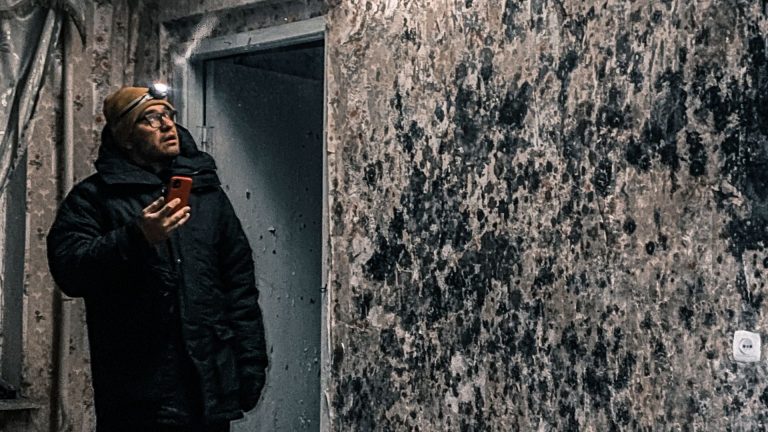
Sometimes. The EPA's guideline is that if the moldy area is less than about 10 square feet (roughly a 3 foot by 3 foot patch), you can usually handle the job yourself. Past that, or in a few specific situations, it is a job for professionals.
When to call a professional
Skip the DIY approach and get help if:
- The area is larger than about 10 square feet, or there are several patches in the same area.
- The mold is in your heating or cooling ducts. Cleaning it yourself can spread spores through the house.
- It followed sewage or floodwater. Mold that grows after contaminated water needs professional cleanup and sanitizing.
- You smell it but can’t see it. A musty smell with no visible mold often means it is growing behind drywall, under flooring or in a wall cavity.
- It keeps coming back. That means the moisture problem hasn’t been fixed.
- Someone in the home has asthma, allergies or a weakened immune system. Talk to a doctor, and let someone else do the cleanup.
If you clean a small area yourself
- Fix the moisture first. Mold needs water. If you don’t stop the leak, the humidity or the condensation, it will come back.
- Protect yourself. Wear an N-95 respirator, gloves and goggles.
- Scrub hard surfaces with detergent and water, then dry them completely. Bleach isn’t needed, and never mix bleach with ammonia or other cleaners.
- Throw out porous materials that are moldy, such as ceiling tiles or carpet. Mold grows into them and can’t be fully cleaned out.
- Don’t paint or caulk over mold. It keeps growing underneath and the paint will peel.
Why mold comes back
Almost always, because the moisture that caused it is still there: a slow leak, a basement that stays humid, condensation on cold surfaces or poor ventilation in a bathroom. Cleaning the mold treats the symptom. Finding and fixing the source is what keeps it gone.
What professional mold remediation adds
- An assessment to find all of the mold, including what is hidden behind walls and under floors
- Containment, so spores don’t spread to the rest of the house during removal
- Safe removal and cleaning of affected materials
- Finding the moisture source and telling you what needs to be fixed
- Repairs afterward, by the same company
If mold came back after a previous company “fixed” it, read when water and mold restoration goes wrong.
Help with mold in Northeast Wisconsin
Recoveron handles mold remediation in Green Bay and across Northeast Wisconsin. Call 920-469-3473 or request a free estimate.
Leave your number and we’ll call you back, day or night.
Just have a question? or call 920-469-3473.