A burst pipe, a failed water heater, a dishwasher that let go overnight. Water damage almost never happens at a good time, and what you do in the first 24 hours decides how much of your home has to be torn out later.
1. Make sure it is safe
Before you go near the water, check for the things that can hurt you:
- Electricity: stay out of standing water that is near outlets, cords, appliances or the electrical panel. If you can reach the panel without walking through water, switch off power to the wet area.
- Ceilings: a ceiling that sags or bulges can be holding water and can come down. Keep people out from under it.
- Sewage: if the water came from a toilet, a floor drain or a sewer line, treat it as contaminated and stay out of it. Read what to do after a sewer backup.
2. Stop the water
If the water is still coming in, stopping it is the most important thing you can do.
- Main water shutoff: usually where the water line enters the house, often on a basement wall near the water meter. Turn the valve clockwise until it stops.
- Single fixtures: toilets, sinks, washing machines and water heaters usually have their own shutoff valve close by.
- Roof or window leaks: catch what you can with buckets and move belongings out of the way until the opening can be covered.
Not sure where your main shutoff is? It is worth finding it now, before you need it.
3. Call for help early
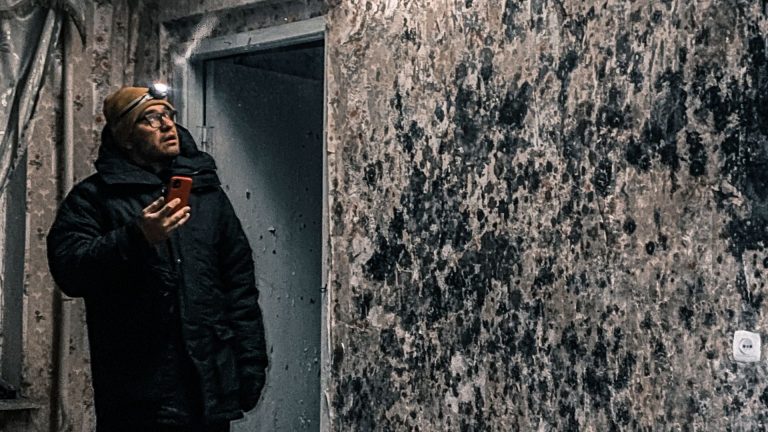
Mold can start growing within 24 to 48 hours after materials get wet, which is why the EPA recommends drying water-damaged areas within that window. Water also keeps moving: it wicks up drywall, soaks into subfloors and spreads under flooring. The sooner drying starts, the less has to be removed.
Recoveron answers 24/7, including nights, weekends and holidays, across Green Bay and Northeast Wisconsin. Call 920-469-3473 and a crew can start extraction and drying right away. If you plan to file an insurance claim, call your insurance company too; Recoveron is a preferred vendor for major insurance companies and can work with your adjuster.
4. Document everything
- Take photos and video of the water, the source and every damaged room before you move or throw anything away.
- Photograph damaged belongings and note what they are.
- Keep receipts for anything you spend: towels, a hotel night, emergency supplies.
- If you have to remove something that is soaked, photograph it first.
5. Move what you can
- Lift furniture off wet carpet, or slide aluminum foil or wood blocks under the legs so stains don’t spread.
- Pick up rugs, electronics, papers, photos and anything valuable and move them to a dry room.
- Open cabinet doors and drawers in wet rooms so air can reach inside.
6. What not to do
- Don’t use a household vacuum to pick up water.
- Don’t turn on ceiling lights or fans in a room where the ceiling is wet.
- Don’t wait for it to “dry on its own.” Surfaces can feel dry while walls and floors underneath stay wet, and that is where mold starts.
- Don’t walk through water you think might be sewage.
What happens when Recoveron arrives
A technician finds the source, checks how far the water has spread (including inside walls and under floors), extracts standing water and sets up drying equipment. We check moisture levels until the structure is truly dry, then handle the repairs: drywall, flooring and anything else that was damaged. One company, from the first call until your home is put back together.
Learn more about our water damage restoration in Green Bay.
Leave your number and we’ll call you back, day or night.
Just have a question? or call 920-469-3473.