Sewer Backup

Sewer Backup Cleanup: What’s Safe to Keep and What Has to Go

Call 920-469-3473Get a Callback

A sewer backup is not a regular water leak. Sewage carries bacteria and viruses, and anything it soaks into can make people sick. Some things can be cleaned and sanitized; others have to go, and it isn’t always obvious which is which.

Why sewage is different

Restoration professionals sort water damage into three categories. Clean water from a supply line is Category 1. Sewage is Category 3, the most contaminated kind, along with outside floodwater. Category 3 water means porous materials it touched usually have to be removed, and everything left has to be cleaned and sanitized, not just dried.

Keep everyone safe

  • Stay out of the affected area, and keep children and pets away.
  • Stop using sinks, toilets, showers and the washing machine if they drain into the backed-up line.
  • Don’t touch outlets or appliances near the water.
  • If you must go in, wear rubber boots and gloves, and wash thoroughly afterward.

What usually has to be thrown out

  • Carpet and carpet pad
  • Drywall and insulation that the sewage touched, usually cut out a foot or more above the water line
  • Upholstered furniture and mattresses
  • Particleboard and pressed-wood furniture
  • Cardboard boxes, paper, books and most fabric items
  • Food, and anything used for food, that the water reached

What can usually be cleaned

Hard, non-porous surfaces can generally be cleaned and sanitized: concrete floors, tile, metal, glass and hard plastic. Solid wood furniture can sometimes be saved depending on how long it sat. When in doubt, photograph it for your insurance claim before deciding.

How professional sewer backup cleanup works

  1. The sewage and contaminated water are removed.
  2. Materials that can’t be saved are removed and disposed of.
  3. Everything left is cleaned, sanitized and deodorized.
  4. The area is dried to prevent mold.
  5. Drywall, flooring and anything else removed is rebuilt.

Lingering smell after a backup? Recoveron also handles odor removal and decontamination.

Does insurance cover a sewer backup?

Often only with an added endorsement. Many standard homeowners policies exclude sewer and drain backup unless that coverage was added, so check your policy or ask your agent. Document everything with photos before anything is removed. Recoveron is a preferred vendor for major insurance companies and can help with the claim.

Sewer backup cleanup, 24/7

Recoveron handles sewer backup cleanup in Green Bay and across Northeast Wisconsin, day or night. Call 920-469-3473.

Want us to call you?

Leave your number and we’ll call you back, day or night.

Just have a question? or call 920-469-3473.

We answer the phone 24/7

Our certified technicians serve Green Bay and all of Northeast Wisconsin, day or night.

Call 920-469-3473Get a Quote

Keep reading

Floodwater covering a floor at the foot of a staircase

De Pere Flood Damage & Flooded Basement Cleanup

Water in your De Pere basement? We pump it out, dry it, sanitize it and rebuild, with one local crew six miles away answering 24/7.

Read the article

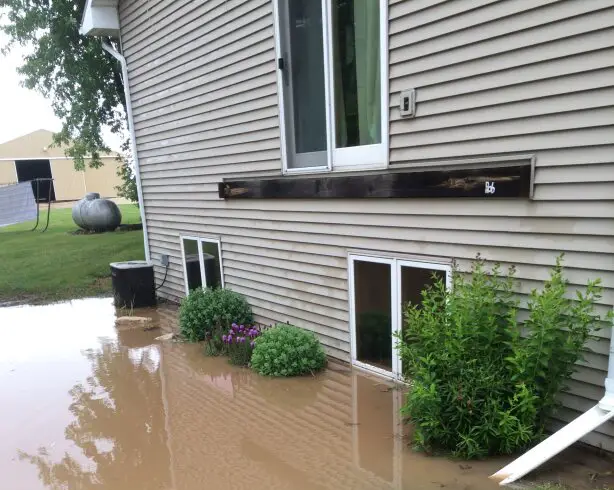
Floodwater surrounding the back of a house with gray siding

Green Bay Flood Damage & Flooded Basement Cleanup

Flooded basement in Green Bay? We pump it out, dry it, sanitize it and rebuild, with one local crew answering 24/7.

Read the article

Black cat sitting in a litter box

How Professionals Remove Pet Urine Odor, and Why Cleaning Alone Doesn’t Work

You cleaned the carpet, and the smell came back on the first humid day. Why pet urine odor returns, and how it is removed at the source.

Read the article

Floodwater covering a floor at the foot of a staircase

Is It an Emergency? What Needs a Crew Tonight and What Can Wait

Wondering whether to call at 2 a.m. or wait for morning? What needs a crew tonight, what can usually wait, and what to do in the meantime.

Read the article

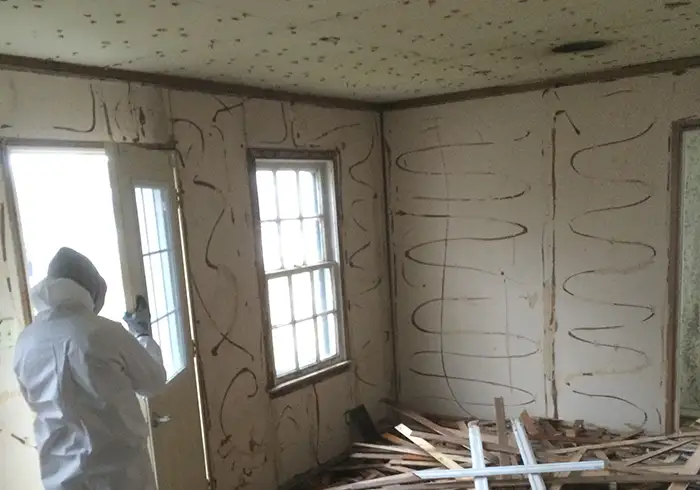
Technician in a protective suit treating mold on the walls of a gutted room

Can You Remove Mold Yourself? The EPA’s 10-Square-Foot Guideline

Sometimes. The EPA says a homeowner can usually clean an area under about 10 square feet. When DIY is fine, how to do it safely, and when to call a pro.

Read the article

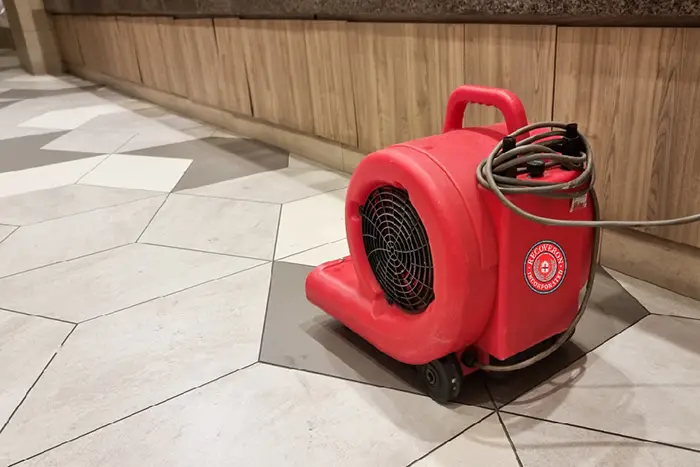
Red Recoveron air mover drying a tile floor

How Long Does It Take to Dry Out a Flooded Basement?

Most flooded basements take about 3 to 5 days to dry with professional equipment. What changes that timeline, and why "dry to the touch" is not dry.

Read the article

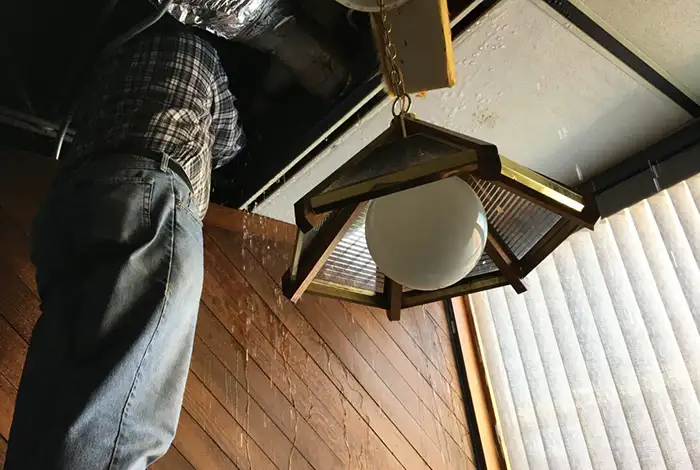
Technician inspecting a light fixture and wet wood ceiling after a leak

What to Do in the First 24 Hours After Water Damage

A burst pipe or failed water heater? What you do in the first day decides how much has to be torn out, so do these things in this order.

Read the article

Technician with a headlamp inspecting heavy mold growth on a wall

When Water & Mold Restoration Goes Wrong: A Homeowner’s Guide

Weeks after the restoration crew leaves, you notice a musty smell, mold or buckling floors. The warning signs that the work was not done right, the most common mistakes, and what to do next.

Read the article