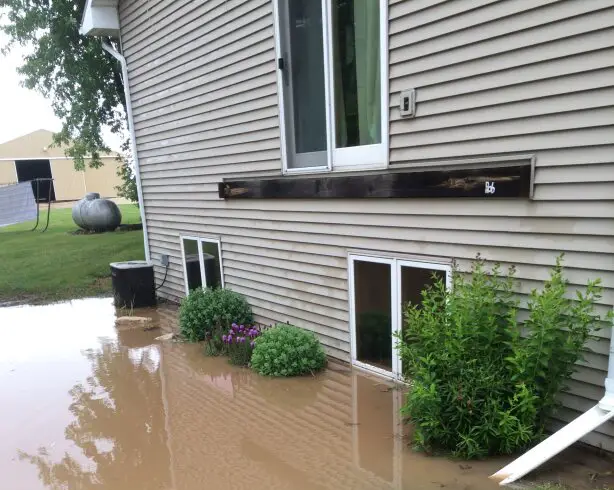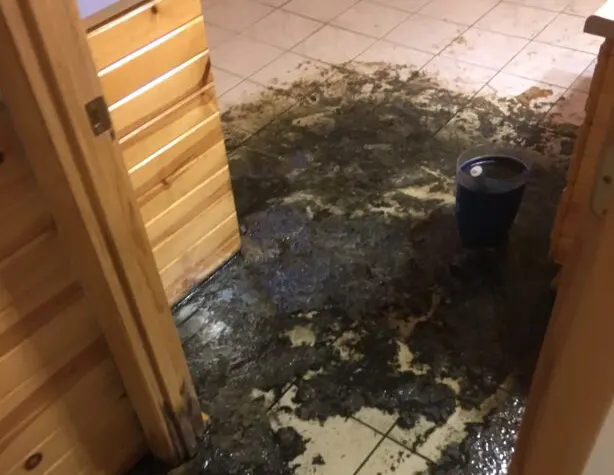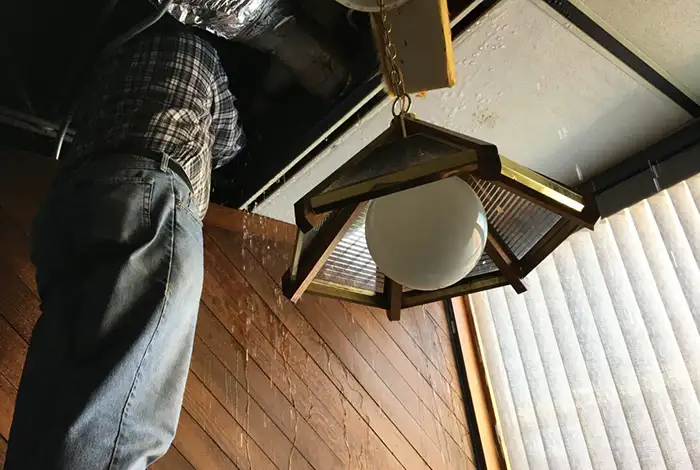
Most flooded basements take about 3 to 5 days to dry with professional air movers and dehumidifiers. That is the short answer. The real timeline depends on how much water there was, how long it sat and what it soaked into, and getting it wrong is how basements end up with mold a month later.
What affects how long it takes
- How much water, and for how long: an inch of water pumped out the same day dries far faster than a basement that sat flooded over a weekend.
- What got wet: concrete, drywall, carpet pad, insulation and wood framing all hold water differently. Carpet pad and the bottom of drywall often have to be removed rather than dried.
- Where the water came from: clean water from a supply line can often be dried in place. Floodwater from outside, or water from a sewer backup, is contaminated, so more materials have to be removed and everything has to be sanitized.
- Temperature and humidity: humid Wisconsin summers and cold basements both slow drying down. Dehumidifiers matter as much as fans.
How a flooded basement is dried, step by step
- Remove the water. Standing water is pumped out and the rest is extracted from carpet and floors.
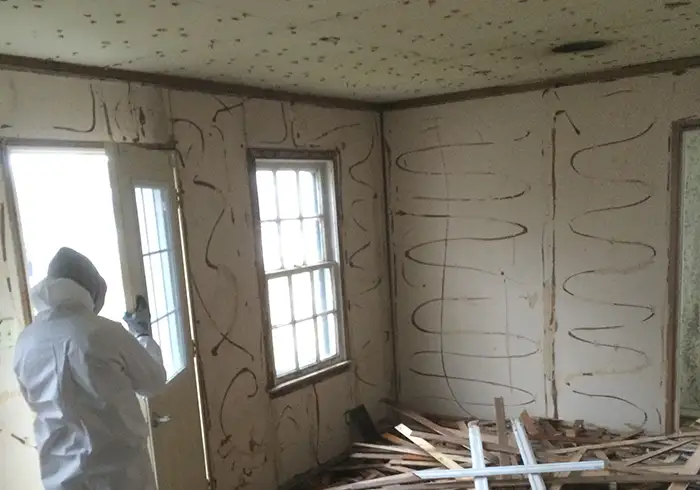
- Remove what can’t be saved. Soaked carpet pad, wet insulation and the lower part of drywall are cut out so the wall cavities can dry.
- Dry the air and the structure. Air movers push air across wet surfaces while dehumidifiers pull the moisture out of the room.
- Measure until it’s dry. Moisture readings are taken each day on walls, floors and framing until they reach normal levels.
- Sanitize and rebuild. Affected areas are cleaned and sanitized, then drywall, flooring and trim go back in.
Why “dry to the touch” isn’t dry
A basement can look and feel dry after a day or two while water is still trapped inside walls, under flooring and in the bottom plates of the framing. Mold can start growing within 24 to 48 hours after materials get wet, and it grows where you can’t see it. That is why professionals use moisture meters instead of their hands, and keep the equipment running until the readings say the structure is dry.
Can you dry it out yourself?
A small amount of clean water on a concrete floor, caught quickly, can often be handled with a wet vac, fans and a good dehumidifier. Call a professional if:
- there was standing water across the basement,
- the water came from outside or from a drain or sewer line,
- carpet, drywall or insulation got wet, or
- it has already been more than a day.
Stay safe in a flooded basement
Stay out of standing water near outlets, cords or appliances, and treat floodwater as contaminated. If you are dealing with water right now, read what to do in the first 24 hours after water damage.
Help with a flooded basement
Recoveron pumps out, dries and rebuilds flooded basements across Green Bay and Northeast Wisconsin, 24/7. Learn more about our flood damage cleanup, or call 920-469-3473.
Leave your number and we’ll call you back, day or night.
Just have a question? or call 920-469-3473.